Place it in time
Describe the exact place, time and recurrence of the Loughton finding

HELP FOR HOMES AND BUSINESSES
OBSERVE / LOCATE / VERIFY
Describe the exact place, time and recurrence of the Loughton finding
Separate confirmed visible traces from possible building pathways through eaves, garden boundaries and ground-floor service gaps
Receive a written IG10 action schedule with preparation, ownership and review steps
EVIDENCE BEFORE INTERVENTION
The survey sequence opens with a precise account of the event. We ask who noticed movement noticed between a garden door and loft, when it first happened and whether it moved, stopped or returned. The accessible area is then checked from the point of concern outwards, including edges, harbourage, food and water conditions and eaves, garden boundaries and ground-floor service gaps. Droppings, cast skins, webbing, smears, gnawing, nesting material and live insects are recorded separately because their diagnostic value differs. Old marks are not presented as current recurring event. Where the trail breaks, monitors or a safely collected sample may produce a better decision than immediate broad control method.
Identification becomes reliable when competing explanations are tested. The observations are compared with realistic rodent, crawling-insect, flying-insect, stored-product and biting-insect explanations. Species, life stage and likely distribution influence method, preparation and whether follow-up is sensible. For Loughton, the written conclusion labels findings as confirmed, probable or unverified. It also explains why a proposed measure fits the surfaces, occupancy and accessible route. Conflicting visible traces leads to a further check, not a stronger claim. Any recommendation is tied to an observed condition, not to the postcode alone.
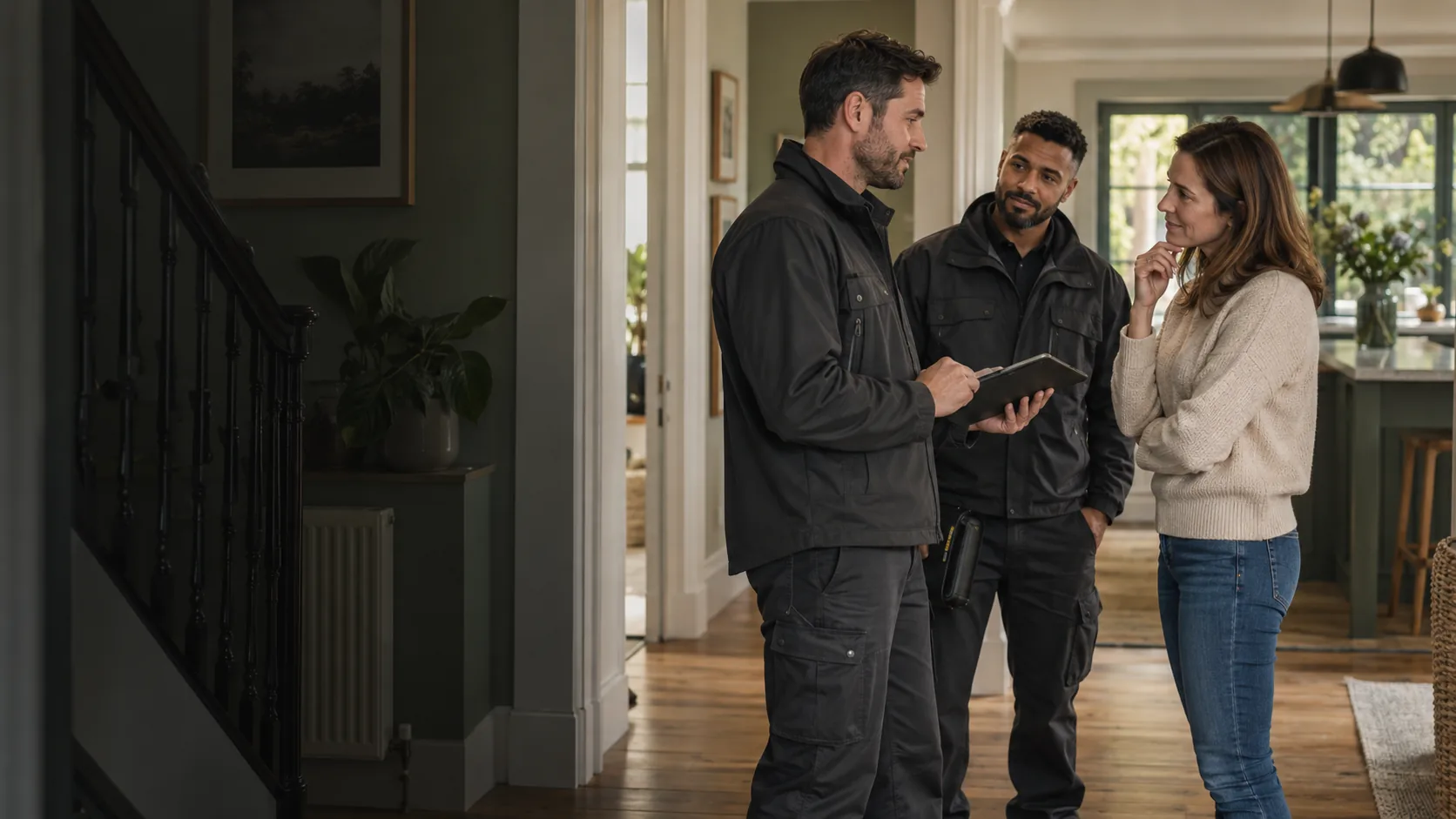
Loughton includes suburban houses, town-centre premises and properties beside wooded edges. That built context helps organise questions, but it is not visible traces of pest recurring event at a particular address. A IG10 assessment therefore links the mentioned event to the case-specific room, store, yard or managed area involved. Likely survey sequence lines can include eaves, garden boundaries and ground-floor service gaps, but none is blamed without a supporting mark, sample, live sighting or consistent review checks result. Recent works, water issues, waste arrangements, deliveries and occupancy changes are recorded because they can change interpretation.
eaves, garden boundaries and ground-floor service gaps. The visit connects this reported situation to accessible evidence before a treatment route is proposed.
Prevention follows the route established during survey sequence. At a Loughton location that could mean repairing a door seal, protecting a suitable vent, closing a verified service gap, adjusting stock spacing or changing a refuse routine. We do not recommend indiscriminate sealing that might interfere with ventilation, drainage or future survey sequence. Actions are ranked by likely value and lawful responsibility.
FROM SITUATION TO SPECIALIST SERVICE
LIVING SPACE
For residents, the action schedule must protect privacy while making the right areas accessible. We identify only the cupboards, beds, loft hatches, appliances or outside edges that need access. Children, pets, allergies and vulnerable residents can usefully be discussed before any application. In Loughton flats or conversions, a clue within one home may raise a question about eaves, garden boundaries and ground-floor service gaps, yet wider access requires permission. Cleaning advice is tied to control and never used as blame.
WORKING SPACE
Business premises need traceable actions rather than broad promises. In Loughton, opening hours, deliveries, stock, food handling, staff-only areas and contractor access may shape the sequence. The report distinguishes visible traces removal, control method access, housekeeping, proofing and repairs so each task has an owner. Discreet timing can be arranged subject to availability, but records remain accurate. Escalation is linked to defined observations rather than a vague promise of permanent clearance. This lets managers protect continuity while testing whether the intervention is working.

CONTEXT BEFORE COST
The table presents public Panther Pest Control starting prices as a London market benchmark, not as a Be Safe quotation for Loughton. Call to confirm Be Safe scope and current pricing. The final amount depends on identification, extent, location size, access, preparation, method and whether review checks or repeat attendance is appropriate. Any recommendation is tied to an observed condition, not to the postcode alone..
ASK FOR A BE SAFE QUOTE →LONDON PRICE BENCHMARK / CHECKED 29 SEP 2026
The table presents public Panther Pest Control starting prices as a London market benchmark, not as a Be Safe quotation for Loughton. Call to confirm Be Safe scope and current pricing. The final amount depends on identification, extent, location size, access, preparation, method and whether review checks or repeat attendance is appropriate. Any recommendation is tied to an observed condition, not to the postcode alone..
| Service | Published from | Typical basis | What changes the final quote |
|---|---|---|---|
| 01Pest inspection | From £62 | Inspection visit | Property type and access affect scope |
| 02Mice and rat control | From £184 | Treatment plan | Evidence, access and monitoring determine the plan |
| 03Ant and cockroach control | From £184 | Treatment plan | Species, spread and follow-up affect cost |
| 04Flea and moth control | From £184 | Treatment plan | Preparation and coverage affect the quote |
| 05Bed bug control | From £204 | Treatment plan | Rooms and method determine scope |
| 06Wasp nest treatment | From £89 | Accessible nest | Position and safe access affect price |
PRIORITISE THE REAL IMPACT
When calling about an urgent Loughton concern, describe the current finding and its location rather than naming an unconfirmed species. Mention effects on food, sleeping space, vulnerable people, electrical equipment or essential operations. Attendance depends on live availability. Illness, fire, gas, electrical or structural danger needs the case-specific emergency or qualified service first; pest control does not replace it.
AFTER THE FIRST SIGN / IG10
Inspection note exactly where and when movement noticed between a garden door and loft occurred, whether it repeated and what changed beforehand. Keep a clear photograph or safe sample if practical. Mention cleaning, repairs, deliveries or products already used.
No. A sound, mark, dropping or insect may narrow the possibilities, but its location, age and pattern still matter. The Loughton survey compares the clue with realistic alternatives and the accessible building building pathways. Review checks or identification may be advised before control method when confidence is limited.
The survey sequence separates visible traces inside the occupied unit from possible movement through eaves, garden boundaries and ground-floor service gaps. Communal, landlord-controlled or neighbouring areas are not assumed to be affected, and access needs authority. The report can identify the next responsible person and the case-specific space requiring review.
Yes, access and timing can be discussed around residents, staff, customers and deliveries, subject to availability and safe working. Preparation depends on the visible traces and method. The technician can usefully state restricted areas, re-entry guidance and follow-up before work starts, rather than issuing generic disruption instructions.
state whether current visible traces affects food, sleeping areas, electrical equipment, vulnerable occupants or essential operations. Those facts help prioritise the response but do not prove species or extent. Medical, fire, gas, electrical or structural hazards require the appropriate emergency or qualified service rather than pest control method alone.
CONNECTED LOCAL GUIDES
Every guide links to established pages in the same 200-location architecture. Related areas are selected from editorial proximity and postcode-family connections.
TELL US WHAT CHANGED