A
Observe the flight path
Confirm that repeated traffic is converging on a specific nest entrance.
WASP RESPONSE / LONDON
Frequent wasp traffic near a roofline, wall or garden entrance may indicate a nearby nest. Call for a safe professional assessment.

WHAT WE DO
Wasp activity can create an immediate concern around entrances, gardens, roof spaces and areas used by customers or staff.
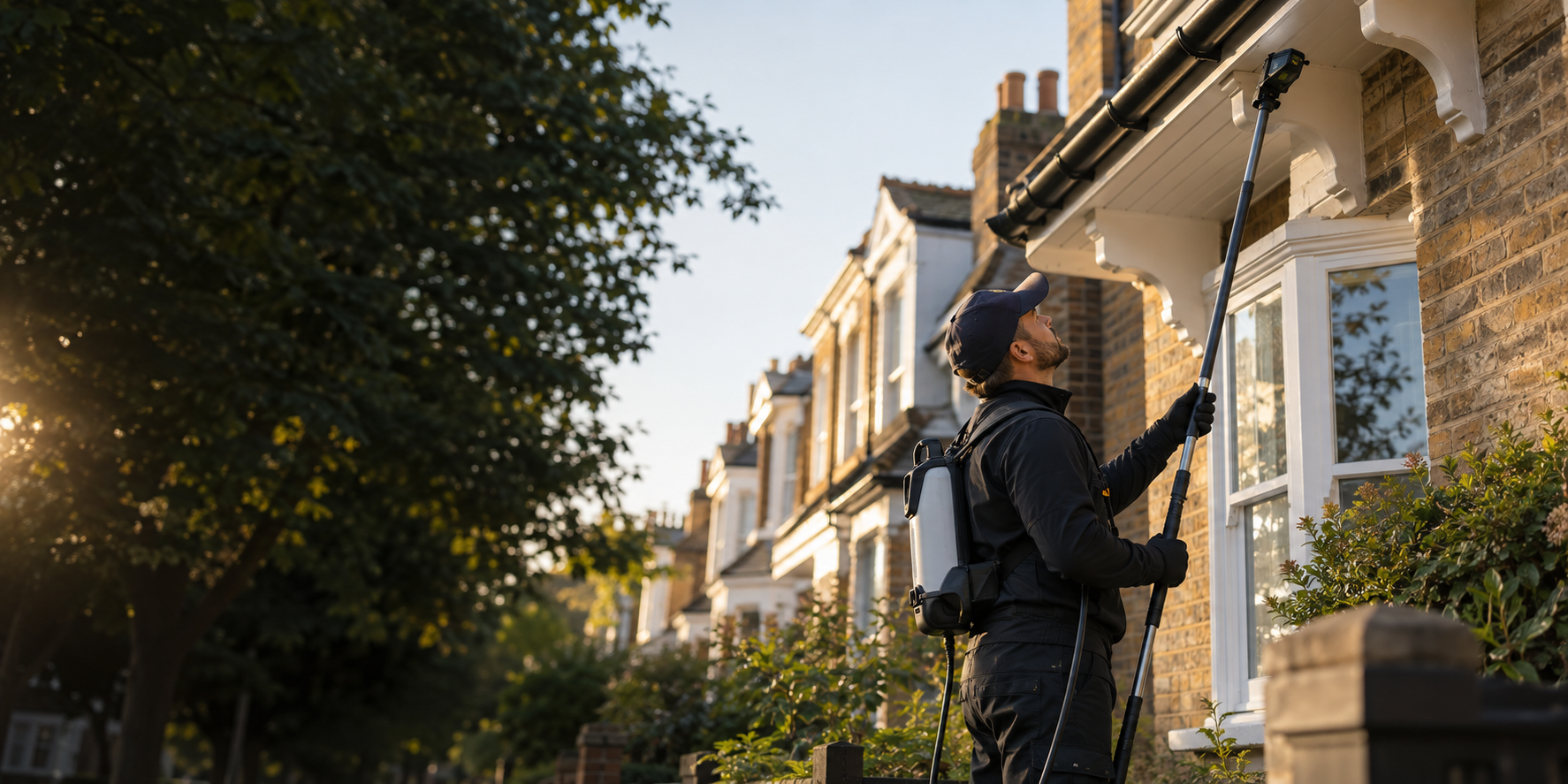
Wasp control starts with locating the nest and observing the route used by foraging workers. A few wasps around flowers are normal; repeated traffic to one opening is a stronger sign that a colony is established nearby.
We assess the height, access, surrounding activity and whether the entrance is close to doors, windows, play areas or work zones. These details determine the equipment and approach needed for a safe visit.
The nest entrance should not be sealed before treatment. Blocking it can force wasps to search for another route, sometimes towards the inside of the building. We explain how to keep the area calm and clear until work is completed.
After treatment, activity may take time to settle as returning wasps reach the nest. We provide expectations for the site and advice on old nest locations, vulnerable openings and seasonal monitoring.
A consistent flight path often reveals the nest entrance. Tell us where activity is concentrated and how close it is to people.
 FIELD NOTE / WASP-NEST-REMOVAL
“The flight line tells the story. Follow it safely and the nest entrance usually becomes clear.”
Repeated movement to one roof, wall or ground opening is mapped from a safe distance before the treatment position is chosen.
THE BE SAFE FIELD PROTOCOL
Confirm that repeated traffic is converging on a specific nest entrance.
Consider height, public proximity and the surrounding structure before treatment.

Apply the chosen method, keep the area clear and watch activity reduce afterwards.
ONE TEAM.
TWO WORKING
ENVIRONMENTS.

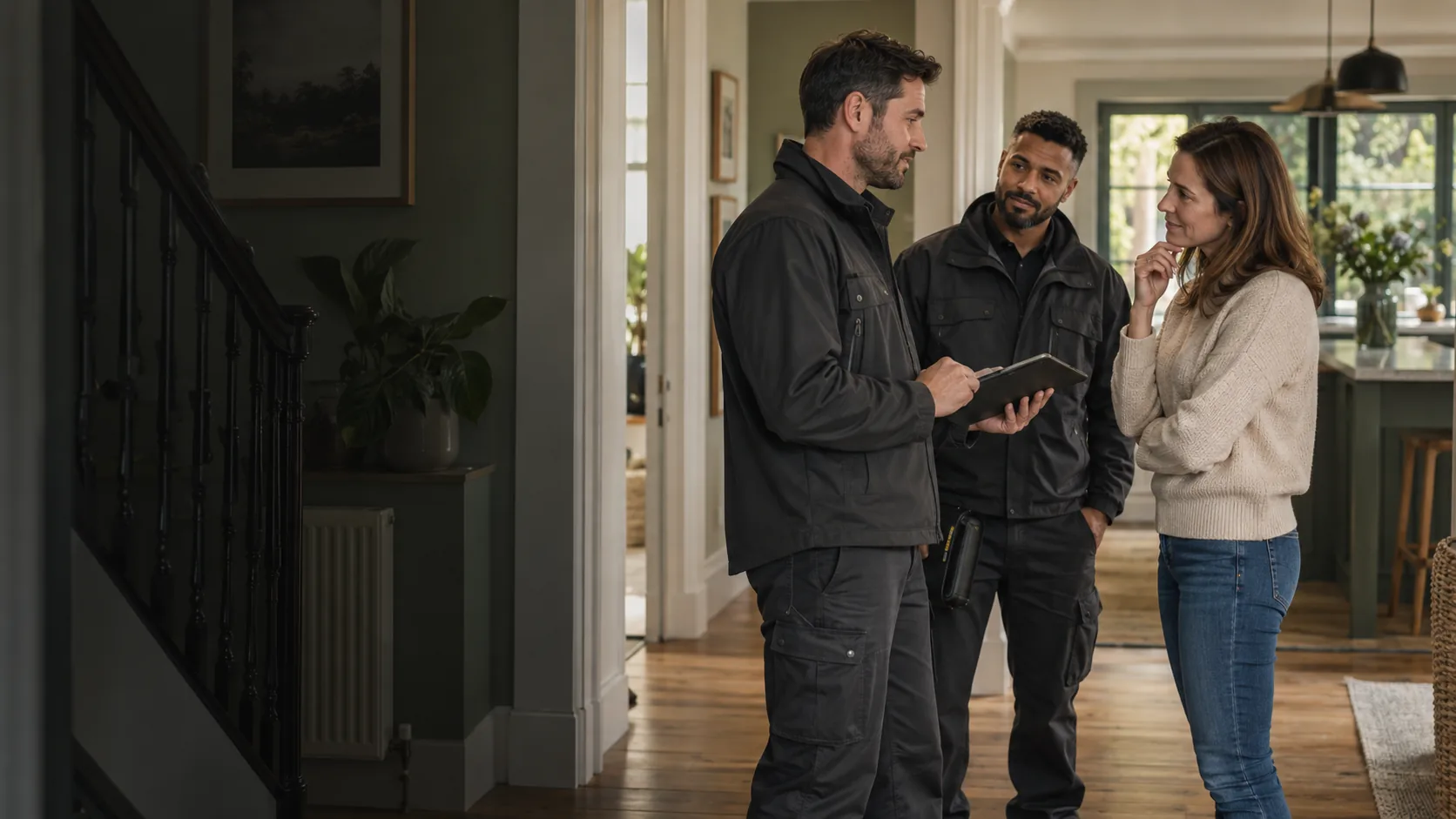
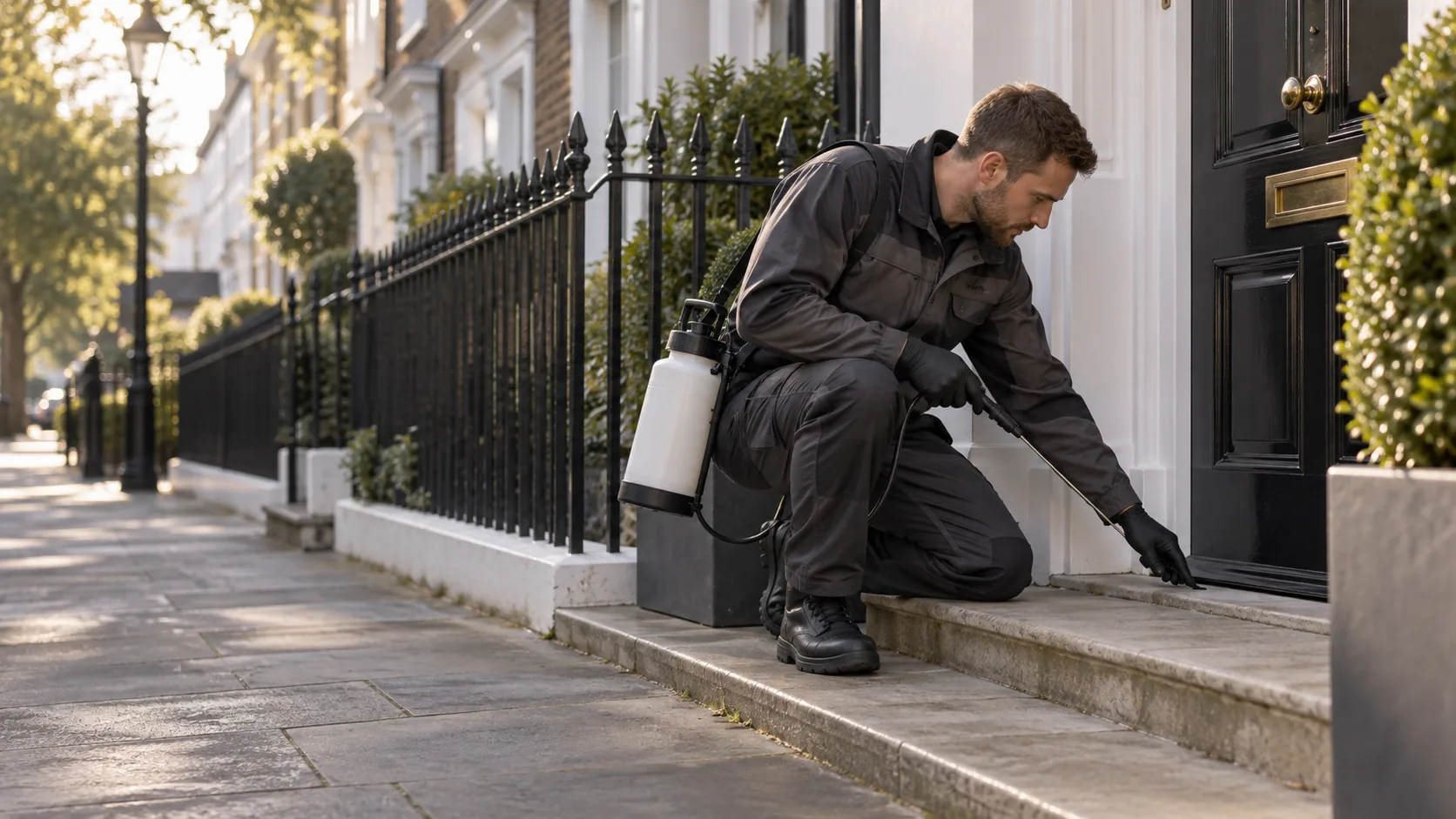
Domestic visits account for family areas, neighbours, pets and the practical use of the affected space.
Commercial wasp work focuses on entrances, outdoor seating, service yards and other high-traffic locations.
SERVICE SCENARIOS
Examples of how this service is assessed in different London properties. Every visit still begins with its own inspection.
Signal Repeated roofline entry
Focus Fascia gap and safe access
Next Treat the entrance
Signal Low-level flight path
Focus Nest position near foot traffic
Next Isolate and treat
Signal Activity near waste and food
Focus Attractants plus nest search
Next Reduce risk to seating
DISPATCH AREA
Support across London for homes, landlords and businesses, with surrounding M25 coverage.
WHAT CLIENTS NOTICE
“The technician was friendly and made sure to explain the process clearly.”
“Their team was prompt and professional, and the treatment was effective.”
SERVICE QUESTIONS
07 USEFUL ANSWERSClear answers specific to this service and the way it is delivered across London.
Watch for repeated wasps travelling to and from the same opening rather than general activity around flowers.
No. Sealing an active opening can redirect wasps through another route and make control more difficult.
Access and treatment depend on height and site conditions; describe the location when you call.
Returning workers may remain visible for a period after treatment, and we explain what to expect at the site.
Old nests are generally not reused, although suitable gaps can attract new queens in a later season.
Disturbing an active nest can trigger defensive behaviour, so professional assessment is the safer option.
Yes. We assess nests and attraction sources around seating, entrances, waste and delivery areas.
NO FORM. NO WAITING.
24/7 emergency pest control across London and the M25.