You heard something
RECORD THE FIRST SIGN / PLAISTOW
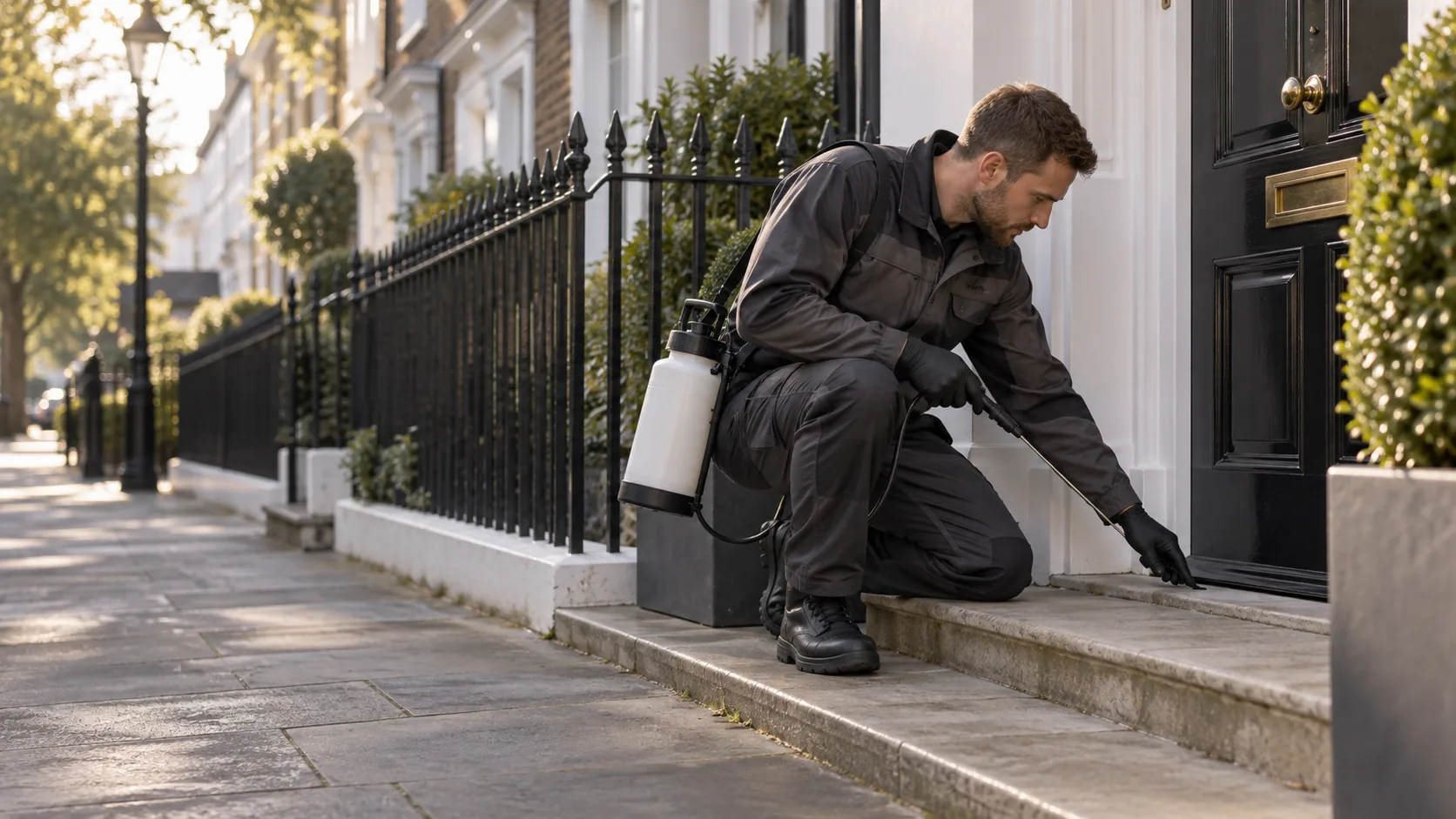
LOCAL RESPONSE TEAM
BEGIN WITH WHAT CHANGED
RECORD THE FIRST SIGN / PLAISTOW
CHECK SUBFLOORS, REAR ALLEYS AND UTILITY ENTRIES / E13
ACT ONLY ON CONFIRMED EVIDENCE / PLAISTOW
EVIDENCE REVIEW / E13
A Plaistow survey should test the E13 road-linked reported situation rather than perform an indiscriminate sweep. The Plaistow field specialist first confirms dates, affected rooms and anything already cleaned or treated. Checks then progress from the focal point to subfloors, rear alleys and utility entries, looking for a consistent pattern of age, direction and distribution. A mark beside a gap is not proof that the gap is active; monitoring or a further view may be required. Plaistow safe access and the occupier’s consent govern movement of furniture or stock. The E13 report identifies inspected zones, excluded areas and evidence that would change the working explanation.
Diagnosis at a Plaistow address is a process of elimination. Size, shape, location and timing are weighed alongside the use of subfloors, rear alleys and utility entries; no single photograph or anecdote carries the whole decision. Evidence that supports rodents will not automatically support insects, and skin reactions alone cannot identify a species. The E13 record explains which possibilities were ruled out, what remains uncertain and whether activity appears current. Only then in Plaistow can trapping, targeted insecticide, nest work, monitoring or non-chemical correction be matched to the situation.
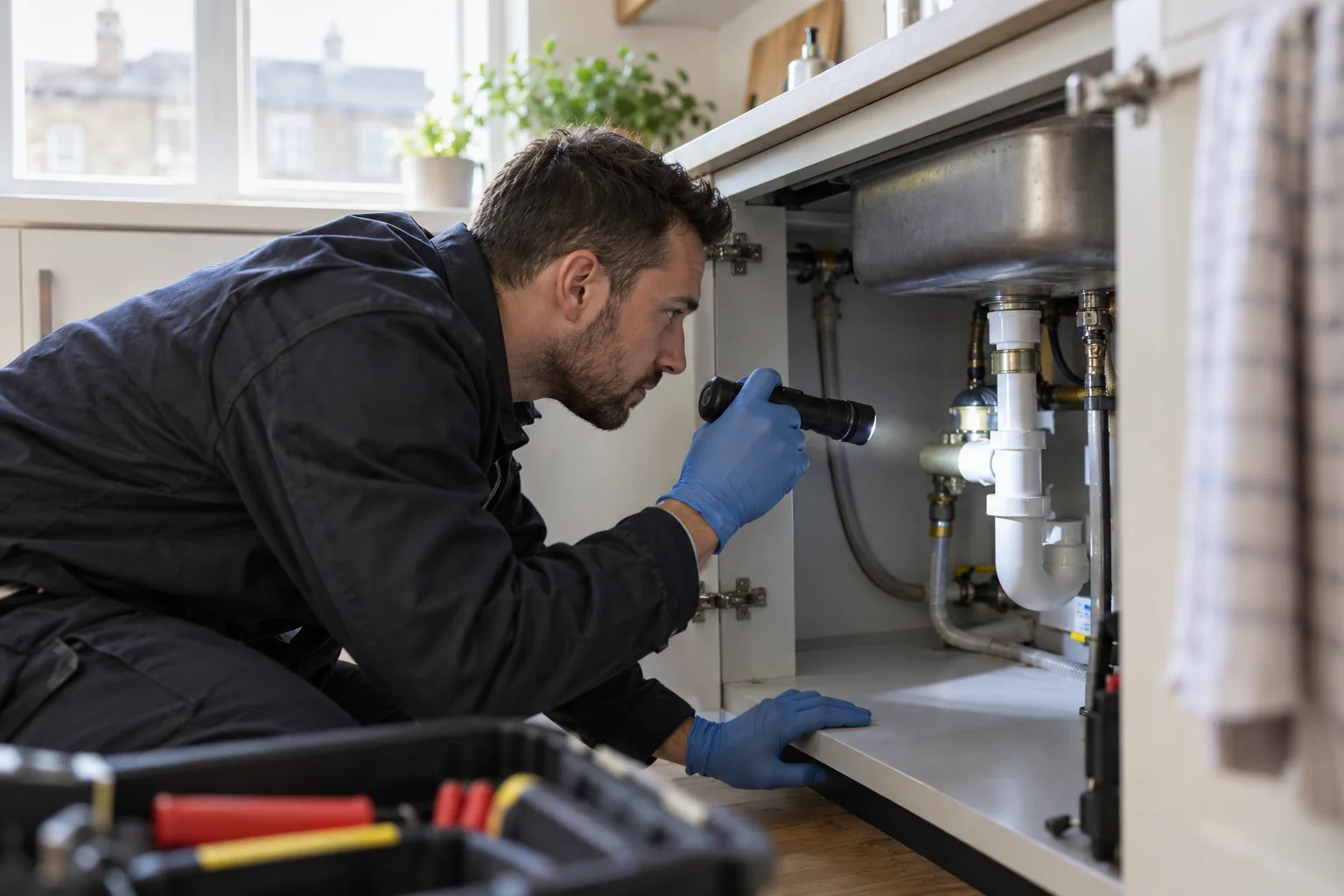
Begin with the event that caused concern in Plaistow: where it happened, when it recurred and what was moved nearby. Local buildings include terraced streets, estates and commercial routes near major roads, so ownership and access may cross several practical boundaries. None of that establishes a pest problem. A E13 inspection follows the E13 road-linked reported sign towards plausible shelter, food, water and entry points, with particular attention to subfloors, rear alleys and utility entries. Old marks are distinguished from fresh evidence; clean areas are useful because they can define the edge of activity. Locked rooms, neighbouring units and concealed cavities are logged as limitations rather than guessed about.
Source: Newham Council planning policy
Cleaning away the original Plaistow sign before it is recorded. The visit connects this reported situation to accessible evidence before a treatment route is proposed.
A durable Plaistow plan combines proofing with behaviour and maintenance. Findings around subfloors, rear alleys and utility entries determine which gaps, storage habits, drainage concerns or cleaning routines matter first. Materials must suit the building and should not compromise fire safety, damp control or access for repairs. In E13, responsibilities are divided clearly between occupier and property owner. Dated photographs or monitors provide a simple review trail.
FROM SITUATION TO SERVICE / PLAISTOW
LIVING SPACE
Households in Plaistow can improve the Plaistow survey by keeping a short timeline: room, date, sound, mark or insect, plus any recent delivery or maintenance. Safe samples may be retained in a sealed container. Spraying, deep cleaning and shifting possessions can remove useful clues or spread material. Where subfloors, rear alleys and utility entries cross a shared boundary, responsibility should be agreed before repair or treatment. The E13 instructions account for pets, children and vulnerable occupants, set realistic preparation tasks and explain when normal cleaning can resume.
WORKING SPACE
Commercial work in Plaistow begins with a concise incident record and a site contact able to open relevant areas. The road-linked inspection relates staff observations to stock movement, housekeeping, contractors and subfloors, rear alleys and utility entries. It separates public space from back-of-house, neighbouring fabric and external servicing so responsibility is not blurred. Any urgent sanitation action is listed apart from treatment and structural correction. For E13 premises, the programme should name monitoring points, review dates, preparation and re-entry advice.
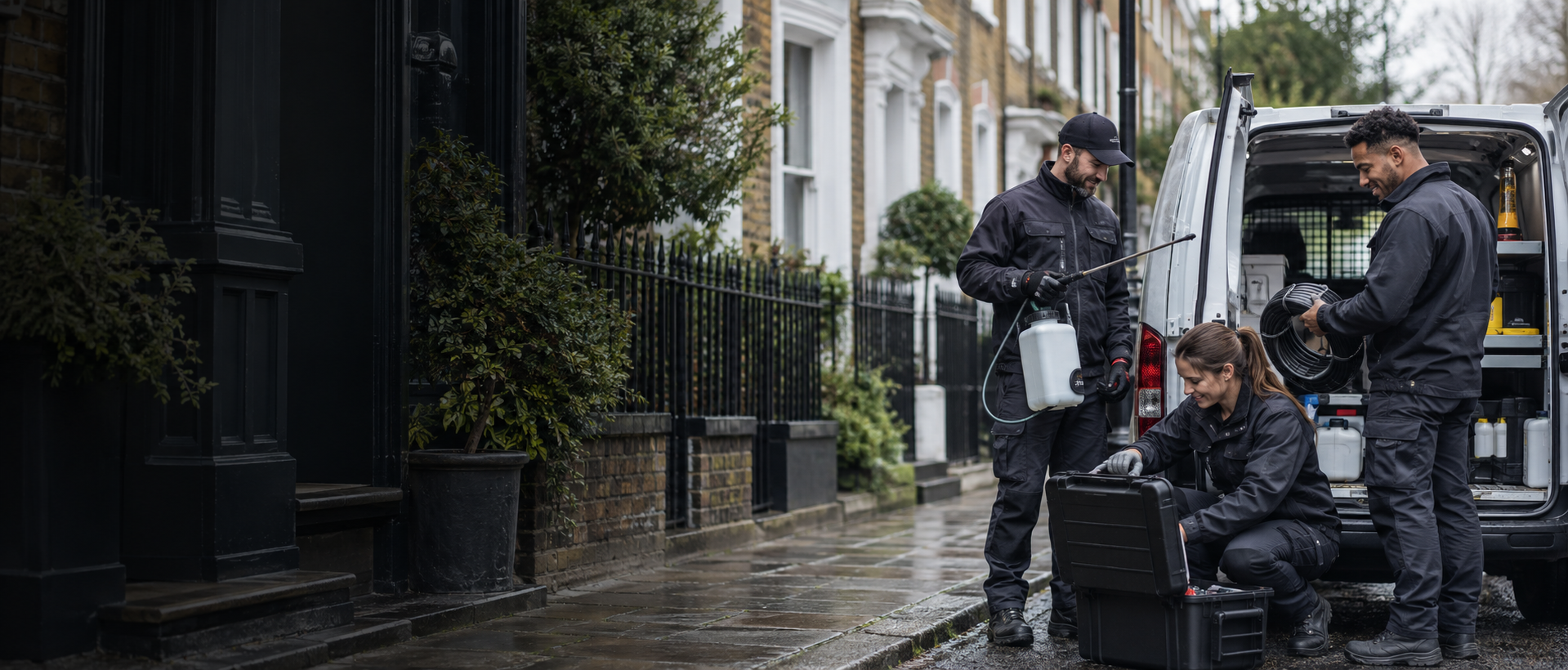
CONTEXT BEFORE COST
Panther Pest Control’s published London figures appear here only as an external market benchmark, not as Be Safe prices for Plaistow. Identification, coverage, access around subfloors, rear alleys and utility entries and follow-up can change scope. Ask Be Safe to confirm the current E13 quotation, included areas, visits and any separately priced proofing before authorising work.
ASK FOR A BE SAFE QUOTE →LONDON PRICE BENCHMARK / CHECKED 29 SEP 2026
Panther Pest Control’s published London figures appear here only as an external market benchmark, not as Be Safe prices for Plaistow. Identification, coverage, access around subfloors, rear alleys and utility entries and follow-up can change scope. Ask Be Safe to confirm the current E13 quotation, included areas, visits and any separately priced proofing before authorising work.
| Service | Published from | Typical basis | What changes the final quote |
|---|---|---|---|
| 01Pest inspection | From £62 | Inspection visit | Property type and access affect scope |
| 02Mice and rat control | From £184 | Treatment plan | Evidence, access and monitoring determine the plan |
| 03Ant and cockroach control | From £184 | Treatment plan | Species, spread and follow-up affect cost |
| 04Flea and moth control | From £184 | Treatment plan | Preparation and coverage affect the quote |
| 05Bed bug control | From £204 | Treatment plan | Rooms and method determine scope |
| 06Wasp nest treatment | From £89 | Accessible nest | Position and safe access affect price |
PROMPT ADVICE / E13
If a Plaistow report cannot wait, describe the exact sign, room and time rather than naming a pest. Avoid disturbing subfloors, rear alleys and utility entries, moving affected goods or using unrecorded chemicals. Mention food contamination, damaged wiring, a visible nest, health sensitivities and any area that cannot be entered. Photographs can help triage the E13 call, although they may not confirm species.
LOCAL ANSWERS / PLAISTOW
Note the exact room, time, frequency and condition of the sign, then take a photograph with scale. In Plaistow, avoid cleaning the focal point near subfloors, rear alleys and utility entries until advice is received.
A road-linked clear photograph may narrow the options, especially when size and location are visible, but it cannot reveal concealed movement or confirm every life stage. For Plaistow, keep a safe specimen if practical and describe findings around subfloors, rear alleys and utility entries.
The landlord, freeholder or managing agent normally authorises communal access. A finding inside one Plaistow unit does not prove activity elsewhere. The E13 road-linked report separates inspected rooms from unseen spaces around subfloors, rear alleys and utility entries, records the E13 access limit and recommends wider checks only when the.
Visits depend on confirmed species, life stage, spread, access and whether monitoring is needed. A contained source may require a shorter programme than activity connected with subfloors, rear alleys and utility entries. Before work begins, the E13 scope should state planned attendance, preparation, review points and evidence that could alter.
No. The table reproduces published Panther Pest Control figures as an external benchmark, not a Be Safe quotation. A Plaistow price can change with identification, treatment area, access around subfloors, rear alleys and utility entries and follow-up.
CONNECTED LOCAL GUIDES
Every guide links to established pages in the same 200-location architecture. Related areas are selected from editorial proximity and postcode-family connections.
START WITH WHAT YOU FOUND / PLAISTOW