CHECK THE ACCESSIBLE ROUTE / SE18
Map the evidence before naming the treatment.
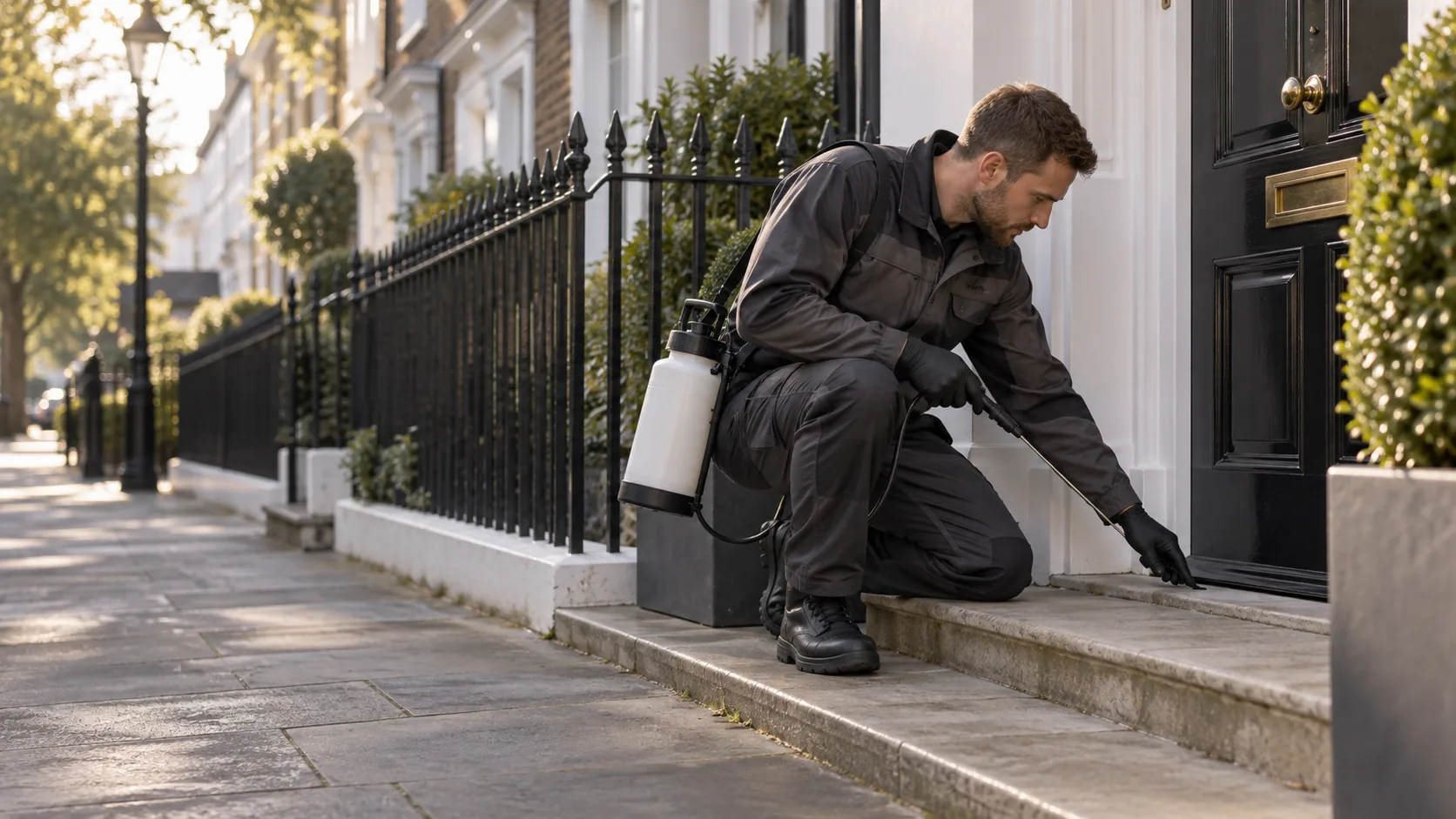
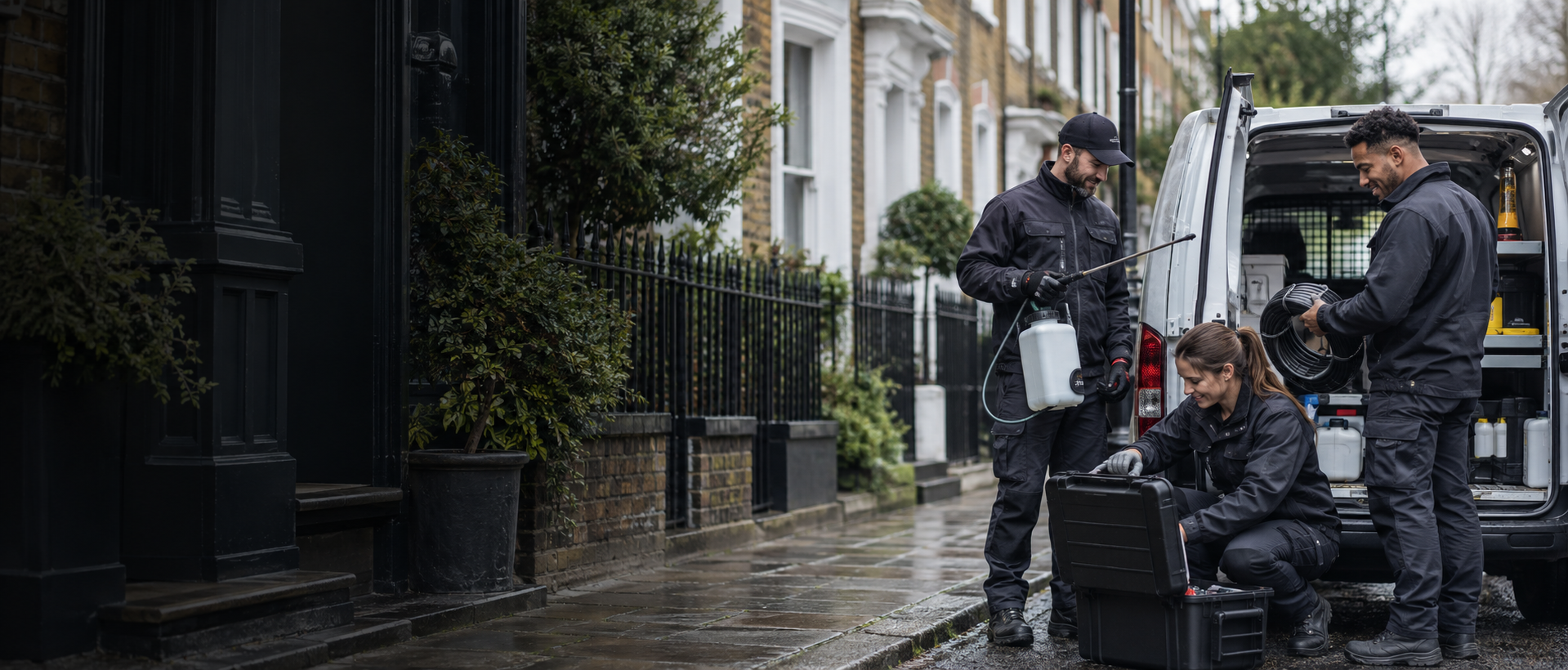
A structured Woolwich Woolwich Woolwich survey starts where the freshest reliable sign was reported and works outwards. The inspector records its position, age and distribution before checking accessible dock edges, communal plant Woolwich rooms, balcony junctions and refuse stores. Food, water, warmth, shelter and entry are considered separately; a convenient gap is not labelled active merely because it is visible. Cupboards, edges and service routes are viewed with minimum disturbance, while sealed voids, locked Woolwich rooms and unsafe site site site access are listed as limitations. In SE18, permission may be needed from a freeholder, managing agent or site Woolwich manager before communal or commercial zones can be entered.
Identification follows the Woolwich Woolwich survey, not the postcode. Marks, sounds, insects, droppings or fabric damage are compared for size, freshness, location and pattern. Woolwich Woolwich findings around dock edges, communal plant Woolwich rooms, balcony junctions and refuse stores may support a pathway, yet a second explanation must be considered where clues conflict. The Woolwich site Woolwich Woolwich report separates confirmed Woolwich Woolwich findings from a working hypothesis and names any sample or Woolwich monitoring needed next.